January 10, 2026
Home additions provide a valuable opportunity to expand the usable area of your home. By incorporating additional rooms such as sunrooms, extra bedrooms, or family lounges, homeowners can make better use of previously underutilized spaces. Expanding living areas not only enhances comfort but also improves the home’s functionality, allowing multiple activities to coexist without feeling cramped. This added space makes daily living more convenient and enjoyable, while also appealing to potential buyers seeking larger homes.
Expanding the home also accommodates growing families, providing the necessary room for children, guests, or multi-generational living. According to the U.S. Census Bureau, single-family building permits increased by 43% from January 2023 to January 2024, highlighting the growing demand for extended living spaces. Home additions can include extra bedrooms, play areas, or dedicated spaces for aging family members, allowing families to maintain stability without relocating. This approach ensures that homes adapt to the evolving needs of their occupants while preserving long-term comfort.
1. Enhanced Property Value
One of the most compelling reasons to invest in home additions is their potential to increase property value. Expanding your living space and adding functional amenities makes your home more attractive to prospective buyers. Features such as additional bedrooms, upgraded kitchens, or modern home offices can enhance curb appeal and marketability. Homes with well-designed additions often stand out in competitive real estate markets, appealing to buyers seeking both space and convenience.
In addition to attracting buyers, home additions can yield a higher resale value. Real estate data consistently shows that homes with extra living areas and modern upgrades tend to sell faster and for higher prices. Buyers often perceive these properties as more desirable, appreciating the convenience of increased space and improved functionality. Homeowners who invest in strategic home additions can see substantial returns when it comes time to sell, making these projects both practical and financially beneficial.
Long-term investment benefits extend beyond immediate resale value. Properly planned home additions can enhance a property’s worth over time, creating enduring financial returns. The increased square footage and improved functionality often outweigh initial construction costs, providing a lasting boost to overall home equity. With careful design and high-quality materials, home additions serve as both a practical enhancement and a sound financial investment.
2. Personalized Home Environment
Home additions allow homeowners to design spaces that reflect their personal tastes and preferences. From architectural details to interior finishes, customization ensures each area aligns with individual style. Tailoring a home to one’s aesthetic inclinations not only enhances visual appeal but also creates a comfortable and inviting environment. Personalization makes the home feel uniquely yours, fostering a sense of pride and satisfaction in daily living.
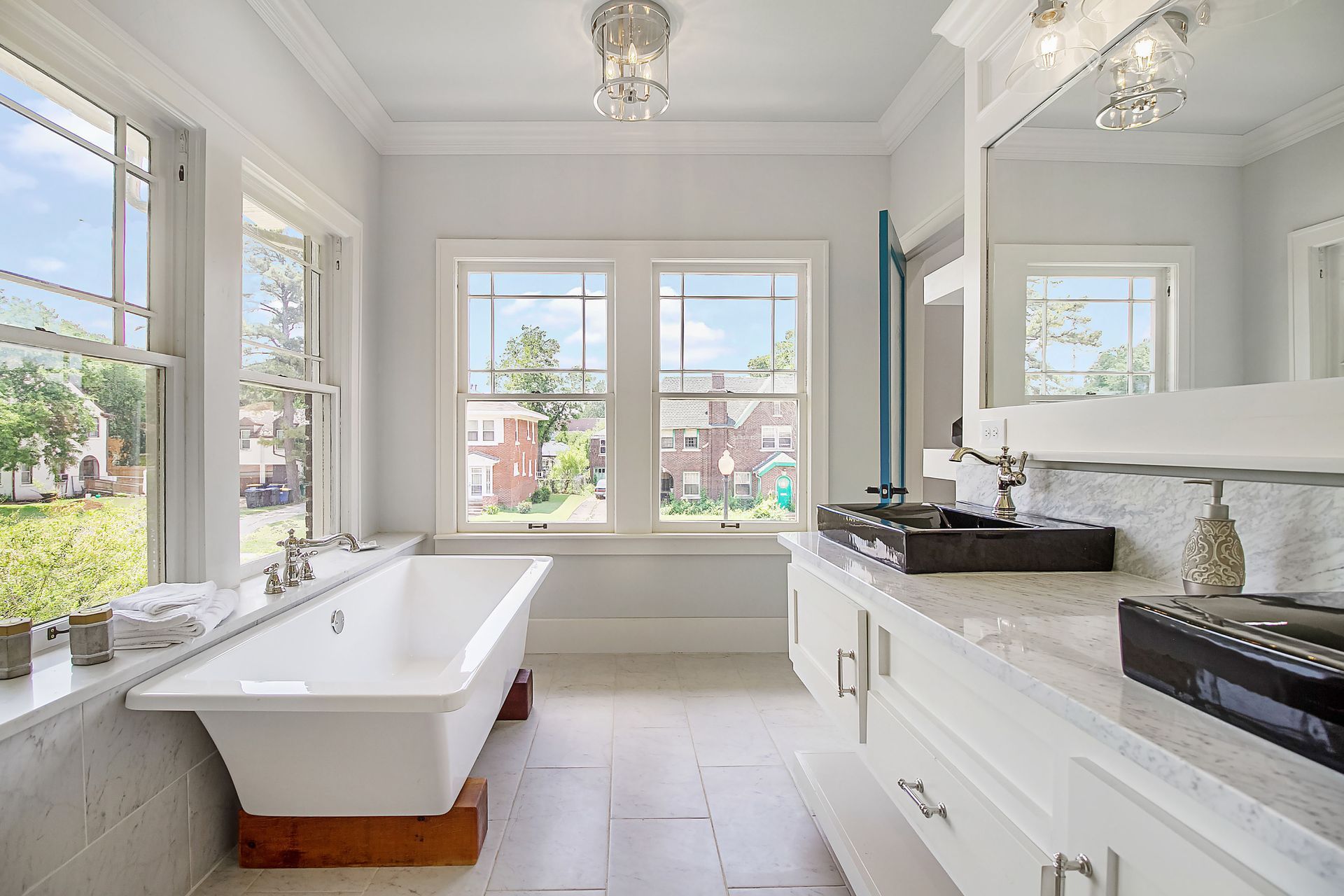
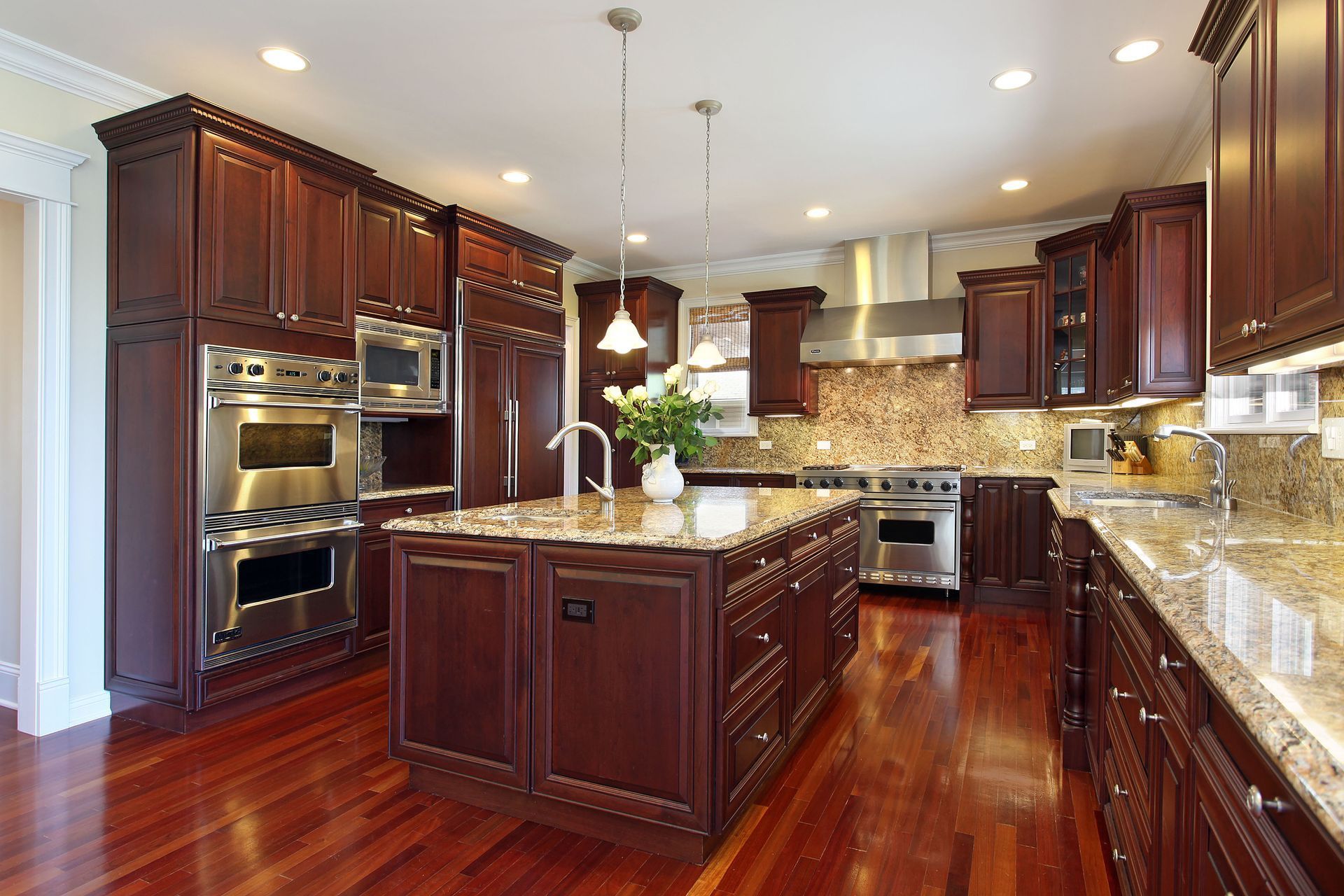
Customizing spaces for specific needs is another advantage. Whether building a state-of-the-art kitchen, a home gym, or a private studio, additions allow for specialized functionality. Tailored spaces address the unique requirements of each family member, ensuring that the home supports varied activities and interests. These enhancements contribute to a more harmonious and practical home environment, where every member can enjoy spaces designed with their lifestyle in mind.
Blending aesthetic and functionality is critical in home additions. Thoughtful design integrates beauty with practicality, creating spaces that are both visually appealing and highly usable. From carefully planned layouts to stylish finishes, combining function and aesthetics improves the quality of everyday life. Spaces that are attractive and practical enhance satisfaction, offering homeowners a home that is enjoyable, efficient, and well-designed.
3. Energy Efficiency Improvements
Home additions present an opportunity to incorporate modern, energy-efficient features. Using sustainable building materials, such as reclaimed wood or recycled metals, reduces environmental impact while providing long-lasting durability. Eco-friendly choices enhance indoor air quality and help conserve energy, making the home healthier and more sustainable for occupants. Home additions with energy-conscious materials demonstrate environmental responsibility while offering practical benefits for daily living.
Optimizing insulation and installing high-quality windows can dramatically reduce energy consumption. Proper insulation minimizes heat loss during winter and keeps interiors cool in summer, lowering utility costs. Energy-efficient windows contribute to a more comfortable home environment and reduce reliance on heating and cooling systems. Integrating these features during a home addition ensures that energy savings are realized immediately and maintained for the long term.
Utilizing energy-efficient appliances further enhances sustainability. Modern HVAC systems, lighting, and kitchen appliances reduce electricity and water usage, contributing to lower utility bills and a smaller environmental footprint. According to the U.S. Department of Energy, energy-efficient appliances can reduce household energy costs by 10–25% annually. Incorporating these systems during home additions creates a more efficient, cost-effective, and environmentally conscious living space.
4. Opportunities for Rental Income
Home additions can generate rental income through the creation of separate living units. Basement apartments, in-law suites, or detached units allow homeowners to earn supplemental revenue. Renting these spaces to long-term tenants provides a steady income stream, while still maintaining the main residence. This option is ideal for homeowners seeking financial benefits from their investment while utilizing home additions to enhance overall property value.
Short-term rental opportunities are also increasingly popular. Platforms like Airbnb enable homeowners to rent out spaces to travelers, offering flexible income options. Well-designed additions can serve as short-term accommodations, providing financial returns without committing the entire property. This dual-purpose flexibility maximizes the value of home additions, making them versatile for both personal and income-generating uses.
Designing rental spaces for privacy and comfort ensures tenant satisfaction and reduces turnover. Features such as separate entrances, soundproofing, and thoughtful layouts enhance the tenant experience. Legal compliance with zoning and building regulations is essential to avoid fines and ensure a safe rental environment. By creating well-planned rental additions, homeowners can achieve both financial gain and a harmonious living arrangement.
5. Enhanced Quality of Life
Home additions improve overall quality of life by creating spaces designed for relaxation, hobbies, and family engagement. Reading nooks, sunrooms, or recreational areas provide designated environments for leisure, reducing stress and enhancing well-being. Purpose-built areas encourage family interactions, promote relaxation, and support a balanced lifestyle. Well-planned home additions contribute to an enjoyable, comfortable living experience that enriches daily life.
Health and wellness can also be prioritized through home additions. Dedicated areas for exercise, meditation, or wellness activities promote physical and mental health. Improved lighting, ventilation, and access to outdoor spaces further contribute to a healthier home environment. By focusing on well-being during planning, home additions can positively influence both immediate lifestyle and long-term health outcomes.
Home additions can also foster family bonding and traditions. Larger living and dining spaces provide venues for celebrations, daily meals, or shared hobbies. These spaces create opportunities for meaningful interactions, strengthening family connections and creating lasting memories. Additionally, dedicated home offices and hobby rooms support modern lifestyle needs, including remote work and personal interests, enhancing convenience and satisfaction for all household members.
6. Long-term Flexibility and Adaptability
Investing in home additions allows for future flexibility and adaptability in the home. Spaces can be designed to accommodate lifestyle changes, such as aging in place, expanding families, or evolving personal interests. This foresight ensures that homes remain functional and comfortable over time. Future-proofing a property through thoughtful additions safeguards long-term usability and enhances overall home value.
Home additions provide an adaptable platform for incorporating emerging technologies and modern conveniences. From smart home systems to energy-saving solutions, these additions enable homeowners to keep their property up-to-date with current standards. By planning for flexibility, homeowners ensure that their homes can accommodate evolving trends, needs, and technologies. This adaptability maximizes the long-term benefits and usability of the property.
In conclusion, home additions offer a multitude of advantages, including expanded living space, enhanced property value, and improved quality of life. From creating personalized environments to integrating energy-efficient systems and generating potential rental income, these projects provide both immediate and long-term benefits. According to the U.S. Census Bureau, demand for expanded living spaces continues to grow, emphasizing the value of home additions . Baker & Baker Construction specializes in tailored home addition solutions designed to meet your lifestyle and financial goals. Contact Baker & Baker Construction today to transform your home into a more functional, comfortable, and valuable living space.